In the realm of seismic activity detection and monitoring, seismic wires play a crucial role in providing valuable data and insights into the behavior of the Earth’s crust. These wires are designed to detect vibrations caused by various seismic events such as earthquakes, volcanic eruptions, and landslides. By capturing and analyzing these vibrations, scientists and researchers can better understand the underlying geological processes and potentially even predict future seismic events.
seismic wires are typically composed of multiple sensors placed at strategic locations along a cable buried underground or anchored to the ocean floor. These sensors detect ground movements and transmit the collected data to a central processing unit for analysis. The data collected from seismic wires can reveal important information about the magnitude, depth, and location of seismic events, as well as the direction and speed of seismic waves.
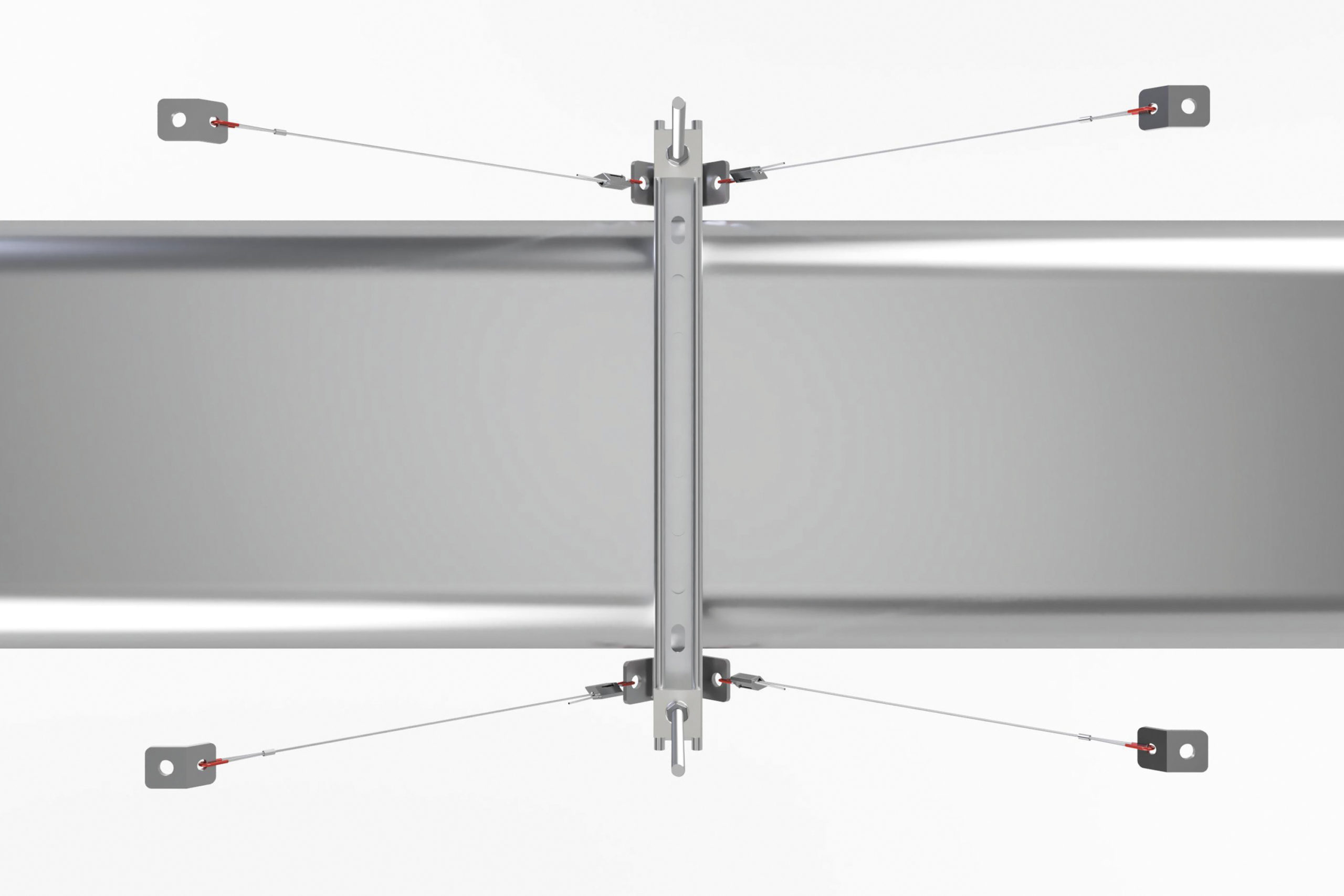
One of the key advantages of seismic wires is their ability to detect seismic activity in real-time, providing timely warnings to communities at risk of potential disasters. By monitoring ground movements continuously, these wires can alert authorities and the public to potential earthquake threats, giving them precious seconds or even minutes to take cover and minimize the impact of the disaster.
The technology behind seismic wires has evolved significantly over the years, with improvements in sensors, data transmission, and analysis techniques. Modern seismic wires are highly sensitive and can detect even the slightest ground movements, allowing researchers to study seismic phenomena in unprecedented detail. These wires can be deployed in various environments, from densely populated urban areas to remote wilderness regions, providing valuable data to scientists working on seismic research projects.
seismic wires are also used in seismology research to study the Earth’s internal structure and the behavior of seismic waves as they travel through different layers of rock. By analyzing the data collected from seismic wires, scientists can create detailed maps of the Earth’s crust and mantle, gaining insights into processes such as plate tectonics, volcanic activity, and earthquake generation. This information is essential for understanding and predicting seismic hazards and mitigating their impact on human populations and infrastructure.
In addition to detecting natural seismic events, seismic wires are also used in the monitoring of induced seismicity, which is caused by human activities such as mining, fluid injection, and geothermal energy extraction. By tracking the ground movements associated with these activities, researchers can assess the risks of induced earthquakes and develop strategies to minimize their impact on local communities and the environment.
seismic wires are integral to early warning systems for earthquakes and tsunamis, providing crucial data that can help save lives and prevent catastrophic damage. By detecting seismic activity in real-time and transmitting the information to monitoring centers, these wires enable rapid response measures to be implemented, such as evacuations, emergency notifications, and infrastructure protection. In earthquake-prone regions, such as California, Japan, and Indonesia, seismic wires are an essential tool for disaster preparedness and response.
As technology continues to advance, the capabilities of seismic wires are expected to improve further, with higher sensitivity, faster data transmission, and more efficient analysis methods. Researchers are exploring new applications for seismic wires, such as monitoring the effects of climate change on the Earth’s crust, detecting underground water reservoirs, and studying the impact of human activities on seismic activity.
In conclusion, seismic wires are a vital tool in the field of seismology, providing valuable data on seismic events and helping scientists better understand the forces at work beneath the Earth’s surface. By detecting ground movements in real-time and transmitting the information to monitoring centers, these wires contribute to early warning systems for earthquakes and tsunamis, potentially saving lives and mitigating disaster risks. As technology advances, seismic wires will continue to play a crucial role in seismic research and monitoring, helping us to unlock the secrets of the Earth’s dynamic and ever-changing crust.